Plyometric training offers runners a powerful way to improve speed, efficiency, and durability by developing explosive strength and better muscle coordination.
Through quick, high-intensity movements, it enhances how the body stores and releases energy, leading to smoother strides, faster acceleration, and reduced injury risk. When used correctly, it’s one of the most effective additions to any running program.
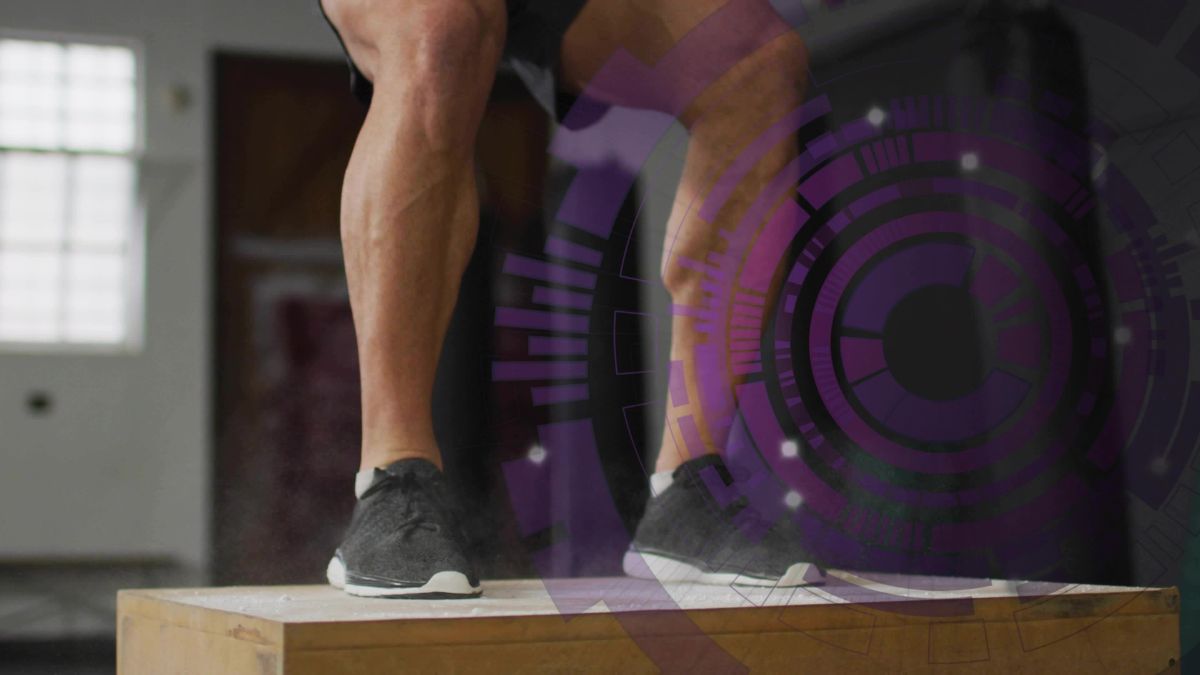
Explosive movements in action
Plyometrics are fast, explosive exercises (like jumps, hops, and bounds) that train your muscles and tendons to produce force quickly.
For runners, that translates directly into better speed, efficiency, and resilience.
1. Improves running economy
Plyometrics train your body to store and release elastic energy more effectively (like a spring).
Result:
You use less energy at the same pace
You can run faster without extra effort
This is especially valuable for distance runners trying to maintain pace longer.
2. Increases power and speed
Explosive drills strengthen fast-twitch muscle fibres and improve how quickly your nervous system activates muscles.
Result:
Faster acceleration
Stronger finishing kicks
Better sprint performance
3. Strengthens tendons and reduces injury risk
Plyometrics load tendons (like the Achilles) in a controlled way, making them stronger and more resilient.
Helps prevent:
Achilles tendinopathy
Shin splints
Knee overuse issues
4. Improves stride mechanics
These drills teach:
Better ground contact timing
More efficient force direction (push forward, not up)
Improved leg stiffness
Result: smoother, quicker, more efficient strides.
5. Enhances neuromuscular coordination
You train your brain and muscles to work together more quickly and precisely.
Result:
Better balance
More control on uneven terrain
Improved agility (great for trail runners)
Important tips
Start 1–2 sessions per week
Keep reps low and quality high
Always do them when fresh (before long runs or hard workouts)
Build gradually to avoid overload
Bottom line
Plyometrics help runners become:
Faster
More efficient
More injury-resistant
They’re one of the highest-return additions you can make to a running program.